A new standard for liquidity in AMM-Based Financial Systems
The first comprehensive, regulator-aligned methodology for sizing and managing liquidity in automated market makers used for CBDCs, tokenised assets, and next-generation settlement networks. Built to solve the critical question the industry has overlooked:
How much liquidity does an AMM-based financial system actually need?
How much liquidity does an AMM-based financial system actually need?

Understand the Breakthrough Behind
The Jackson Liquidity Framework
A clear and accessible explanation of the liquidity dynamics, mathematical models, and findings inside the whitepaper — designed for everyone from crypto beginners to central bank researchers.
The Jackson Liquidity Framework was created to answer the biggest unanswered question in tokenised finance and CBDC settlement:
How much liquidity does an AMM-based financial system actually require?
How much liquidity does an AMM-based financial system actually require?
The Problem No One Had Solved
Why AMM Liquidity Is a Missing Piece in Modern Banking
The future of money is moving toward:
- Tokenised assets
- CBDCs
- Instant cross-border settlement
- Automated FX conversion
- Pre-funded liquidity pools
But unlike traditional RTGS systems, AMMs introduce non-linear liquidity requirements that change with flow patterns, volatility, and directional imbalance.
Yet — until now — no regulator, bank, or academic body has produced a formal liquidity sizing framework for AMM settlement.
The Jackson Liquidity Framework fills this gap.
The future of money is moving toward:
- Tokenised assets
- CBDCs
- Instant cross-border settlement
- Automated FX conversion
- Pre-funded liquidity pools
But unlike traditional RTGS systems, AMMs introduce non-linear liquidity requirements that change with flow patterns, volatility, and directional imbalance.
Yet — until now — no regulator, bank, or academic body has produced a formal liquidity sizing framework for AMM settlement.
The Jackson Liquidity Framework fills this gap.
The Core Dynamics Behind AMM Liquidity
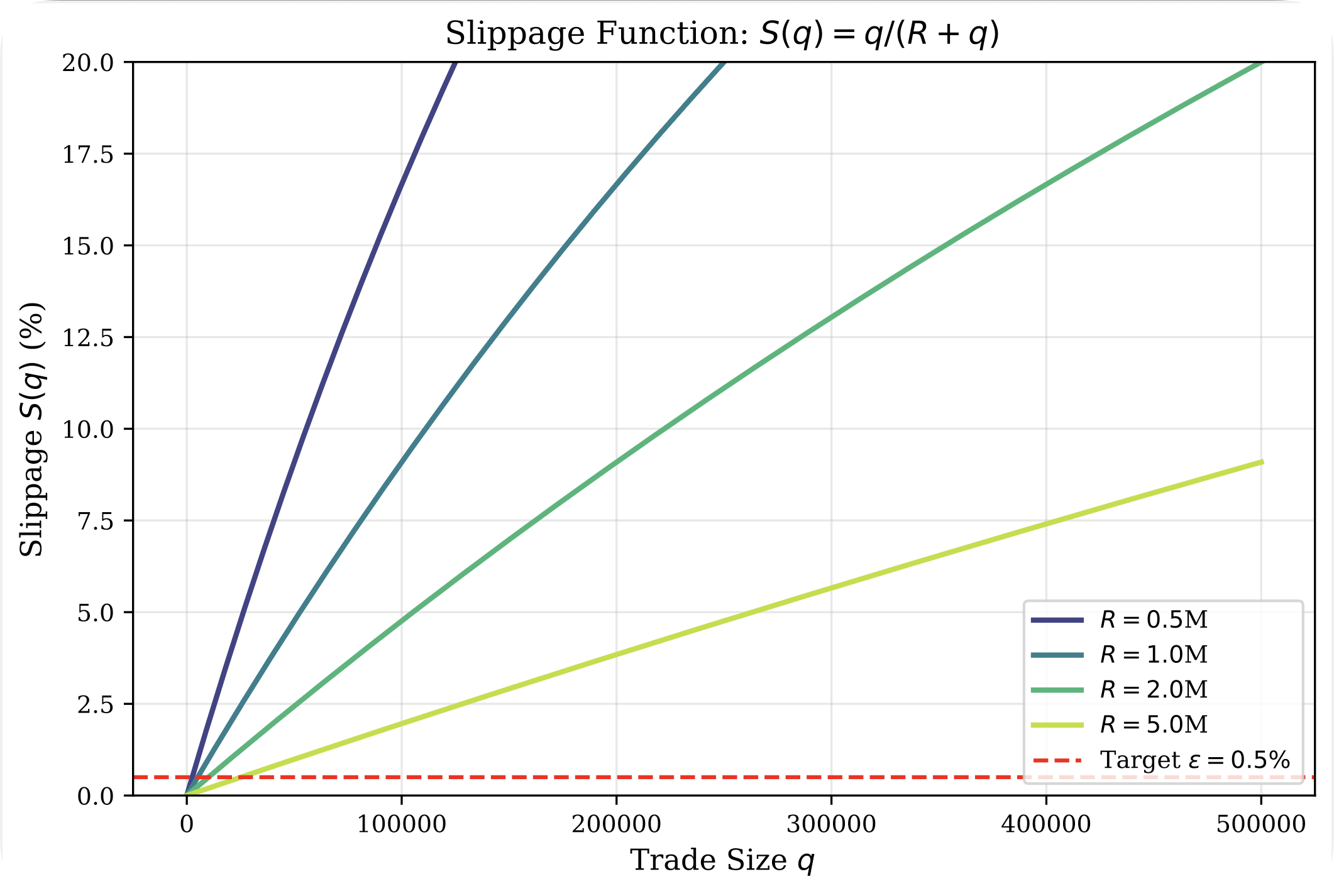
1. Slippage (The “Shallow Pond” Effect)
- When liquidity is shallow, even small trades cause large price impact.
- When liquidity is deep, impact is minimal.
- This makes AMM liquidity non-linear and dangerous when reserves are low.
- When liquidity is shallow, even small trades cause large price impact.
- When liquidity is deep, impact is minimal.
- This makes AMM liquidity non-linear and dangerous when reserves are low.
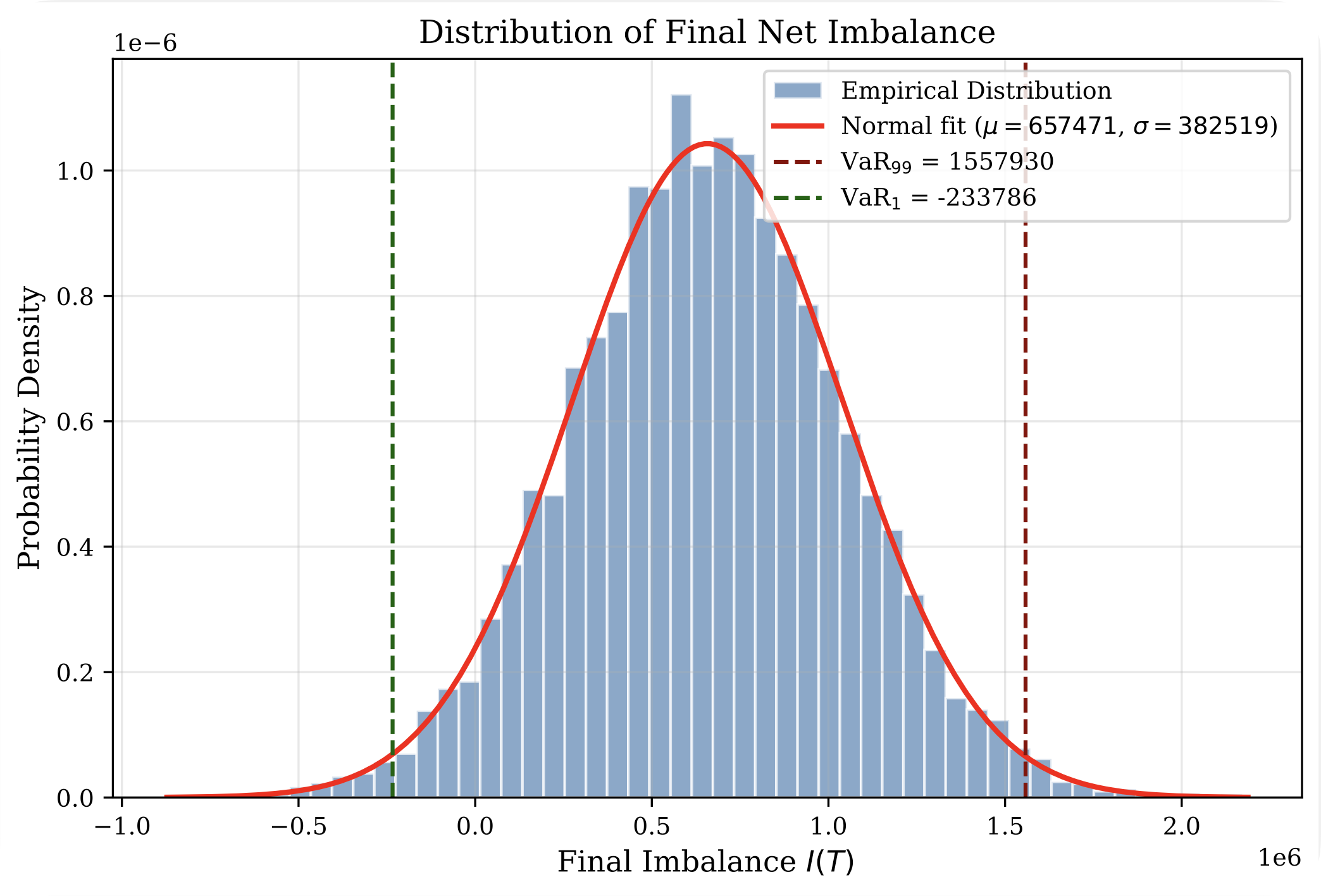
2. Directional Flow Imbalance (The “Seesaw” Effect)
Real payment corridors rarely balance perfectly.
If more flow moves in one direction, AMM reserves drain — quickly.
Real payment corridors rarely balance perfectly.
If more flow moves in one direction, AMM reserves drain — quickly.
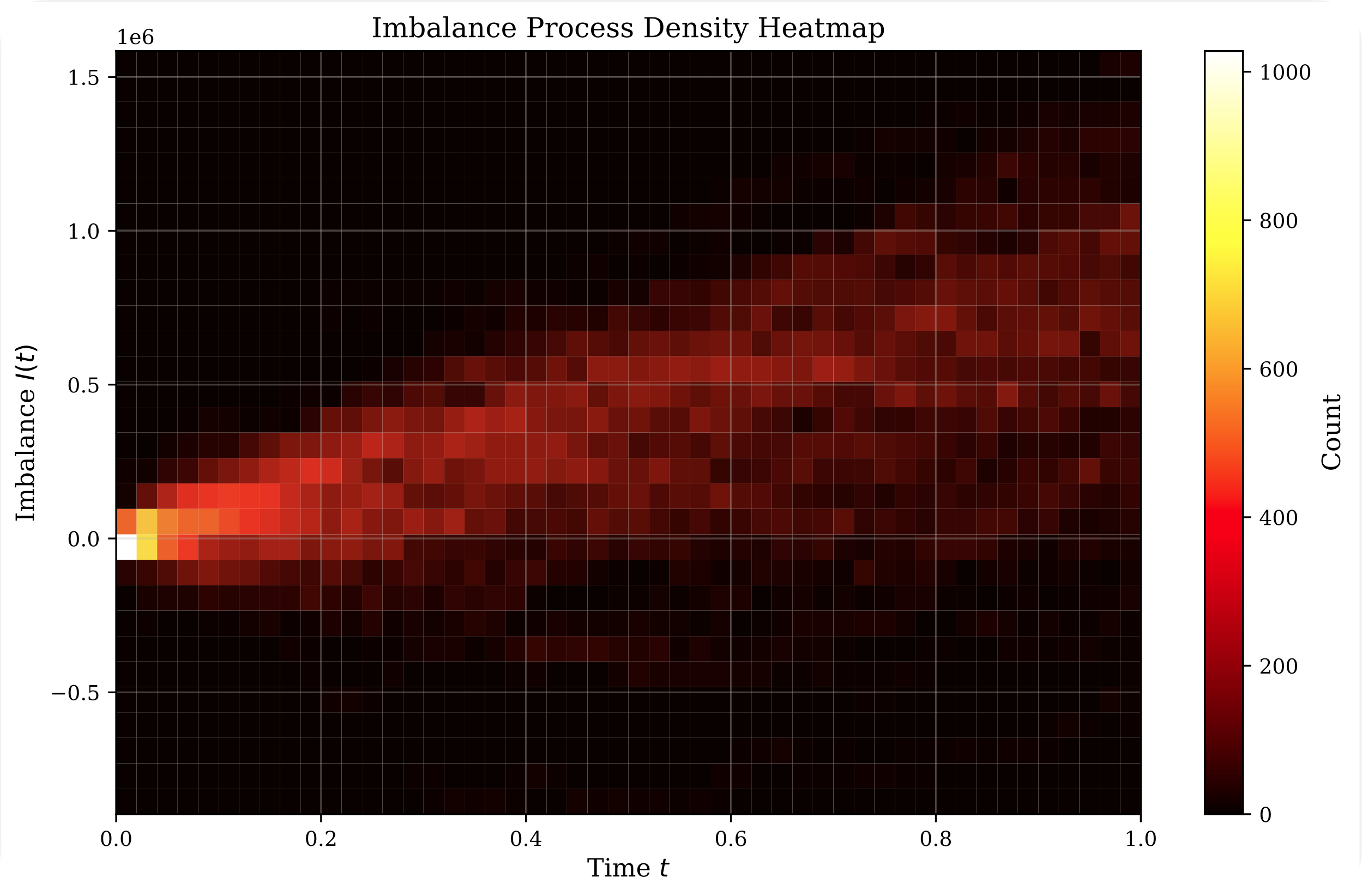
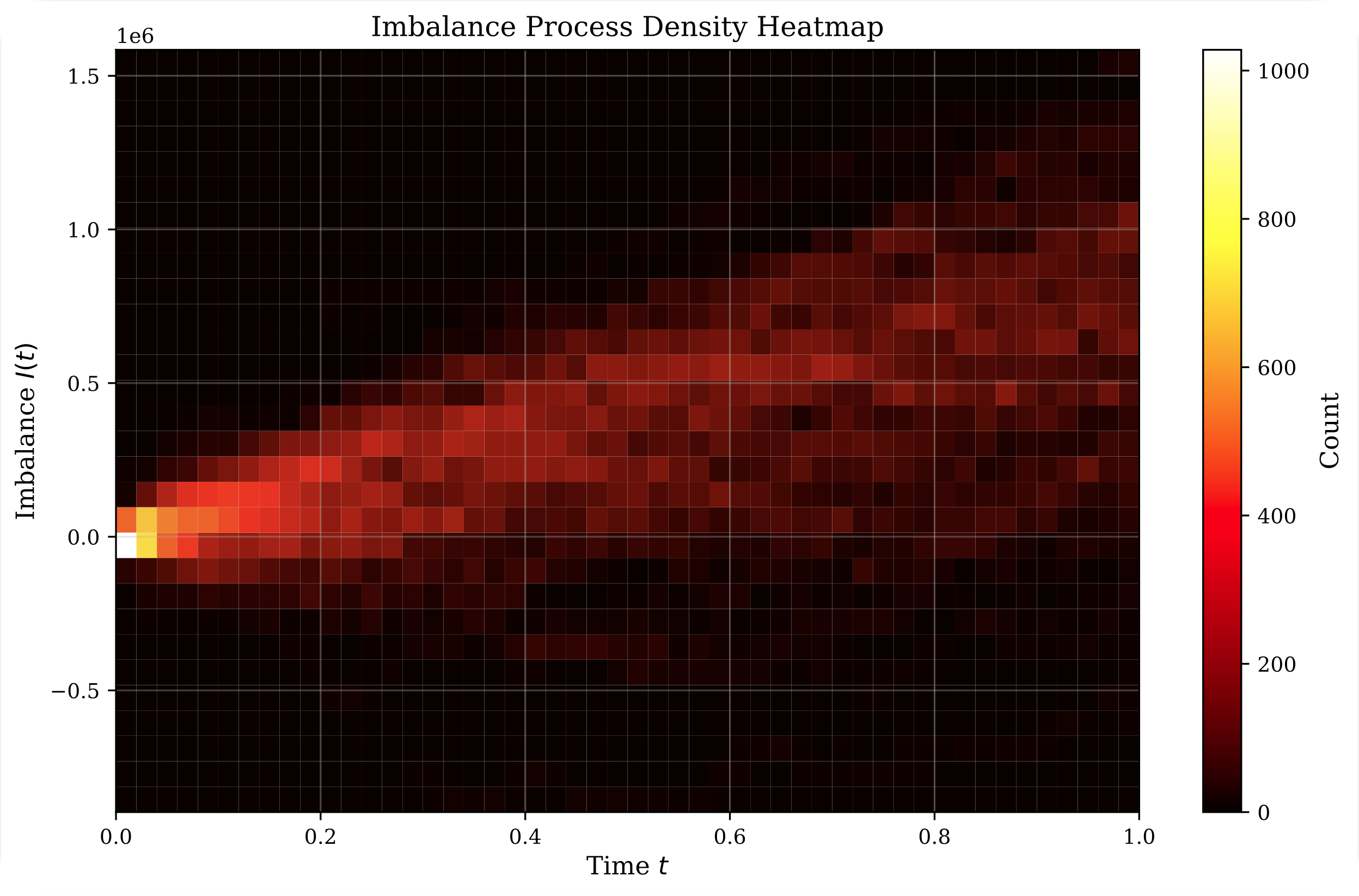
3. Intraday Clustering (The “Storm” Effect)
Payments don’t arrive evenly. They arrive in clusters, especially around cut-off times or liquidity cycles.
Clustering can multiply liquidity demand by 2–4×.
Payments don’t arrive evenly. They arrive in clusters, especially around cut-off times or liquidity cycles.
Clustering can multiply liquidity demand by 2–4×.
Introducing the Four Jackson Components
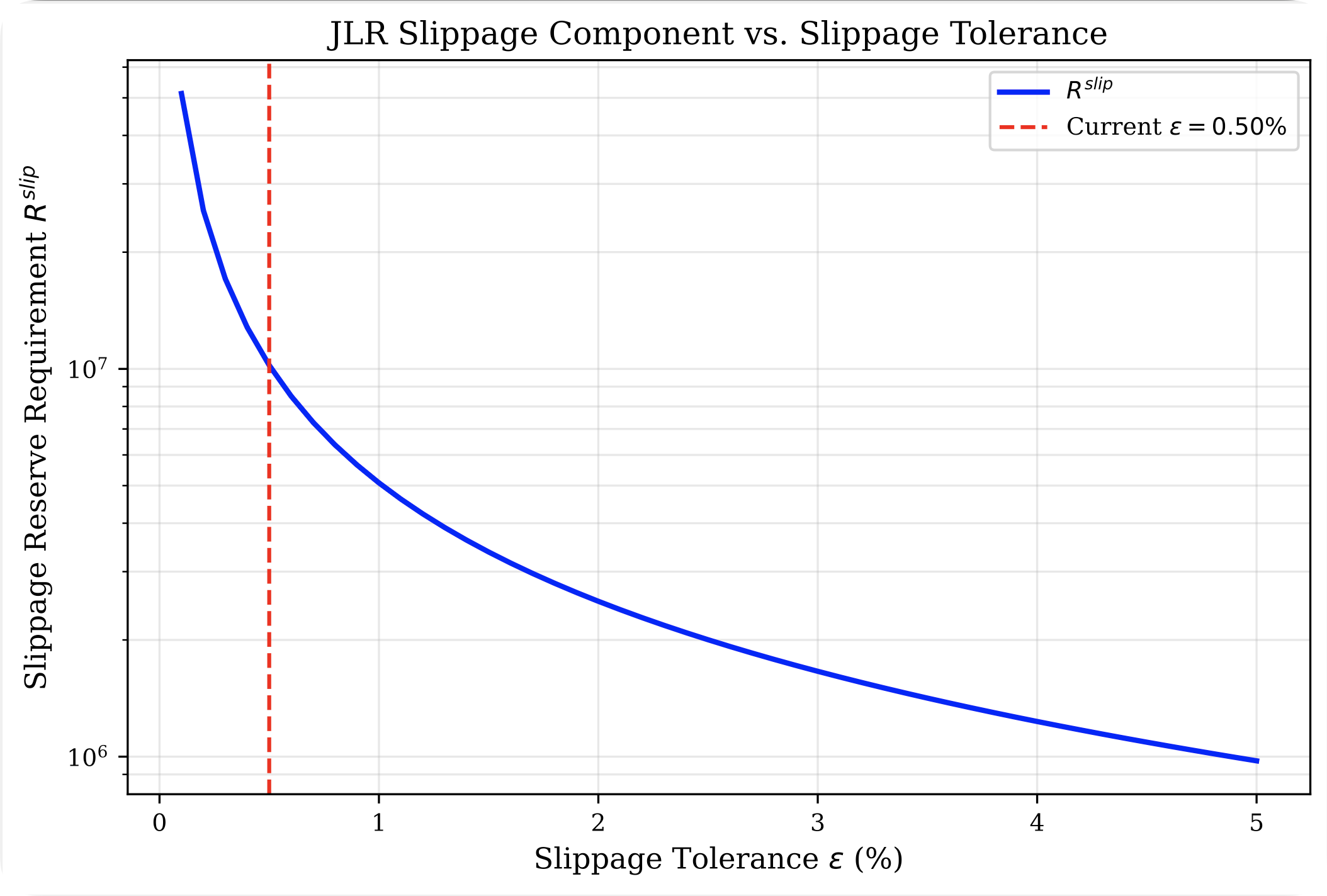
JLR — Jackson Liquidity Requirement
Defines the minimum reserve depth required for safe AMM settlement.
Combines four factors:
- Slippage
- Directional flow VaR
- Intraday liquidity peaks
- Basel III constraints
Defines the minimum reserve depth required for safe AMM settlement.
Combines four factors:
- Slippage
- Directional flow VaR
- Intraday liquidity peaks
- Basel III constraints
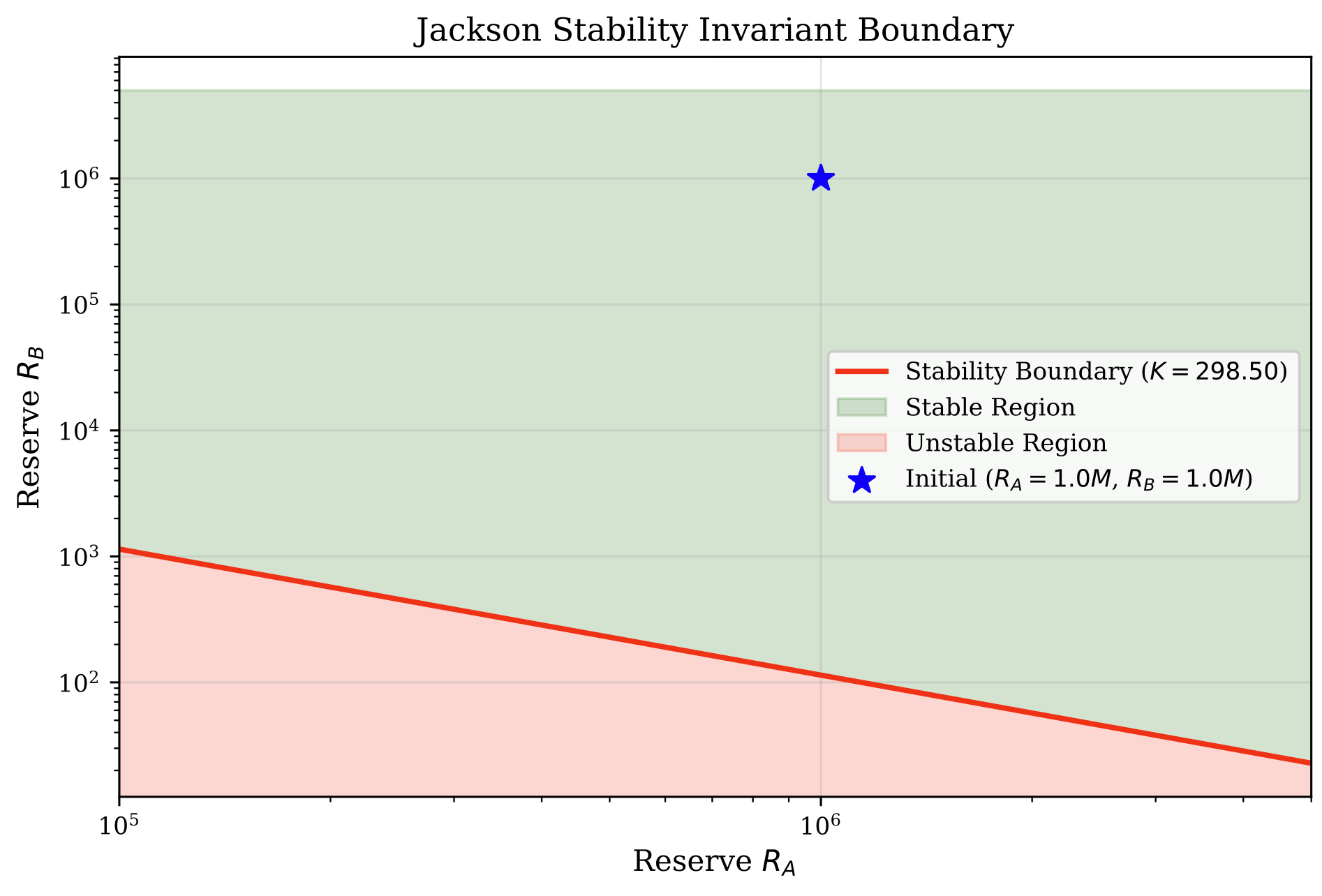
JSI — Jackson Stability Invariant
A solvency-style boundary showing when a pool becomes unstable.
If reserves fall below this curve, the AMM becomes fragile.
A solvency-style boundary showing when a pool becomes unstable.
If reserves fall below this curve, the AMM becomes fragile.
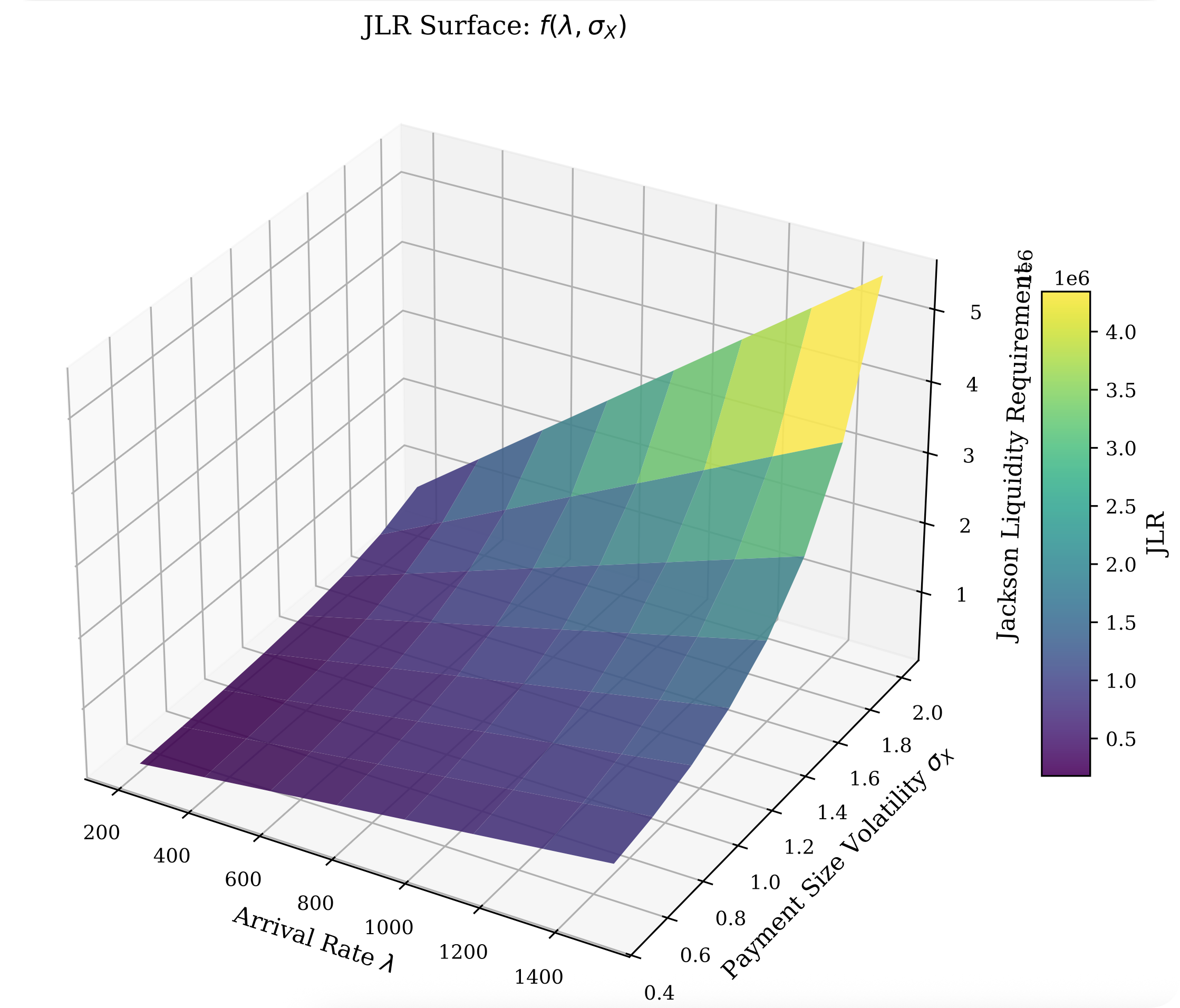
JLS — Jackson Liquidity Surface
A 3D map showing how liquidity demand rises with:
- Arrival rate
- Payment size volatility
- Corridor conditions
A 3D map showing how liquidity demand rises with:
- Arrival rate
- Payment size volatility
- Corridor conditions
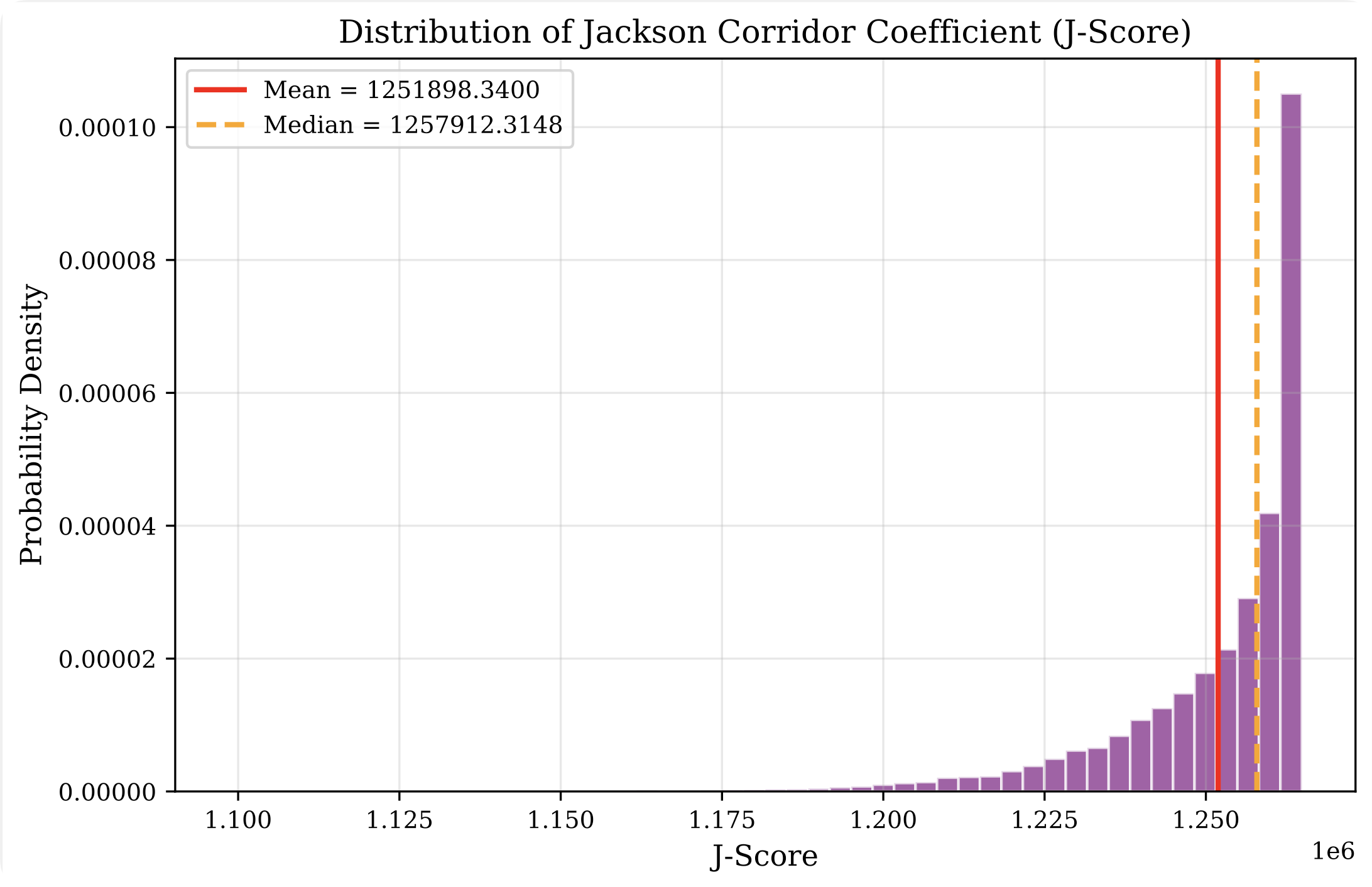
J-Score - Jackson Corridor Stress Metric
A single number that expresses settlement stress — instantly.
Used for monitoring and real-time decision-making.
A single number that expresses settlement stress — instantly.
Used for monitoring and real-time decision-making.
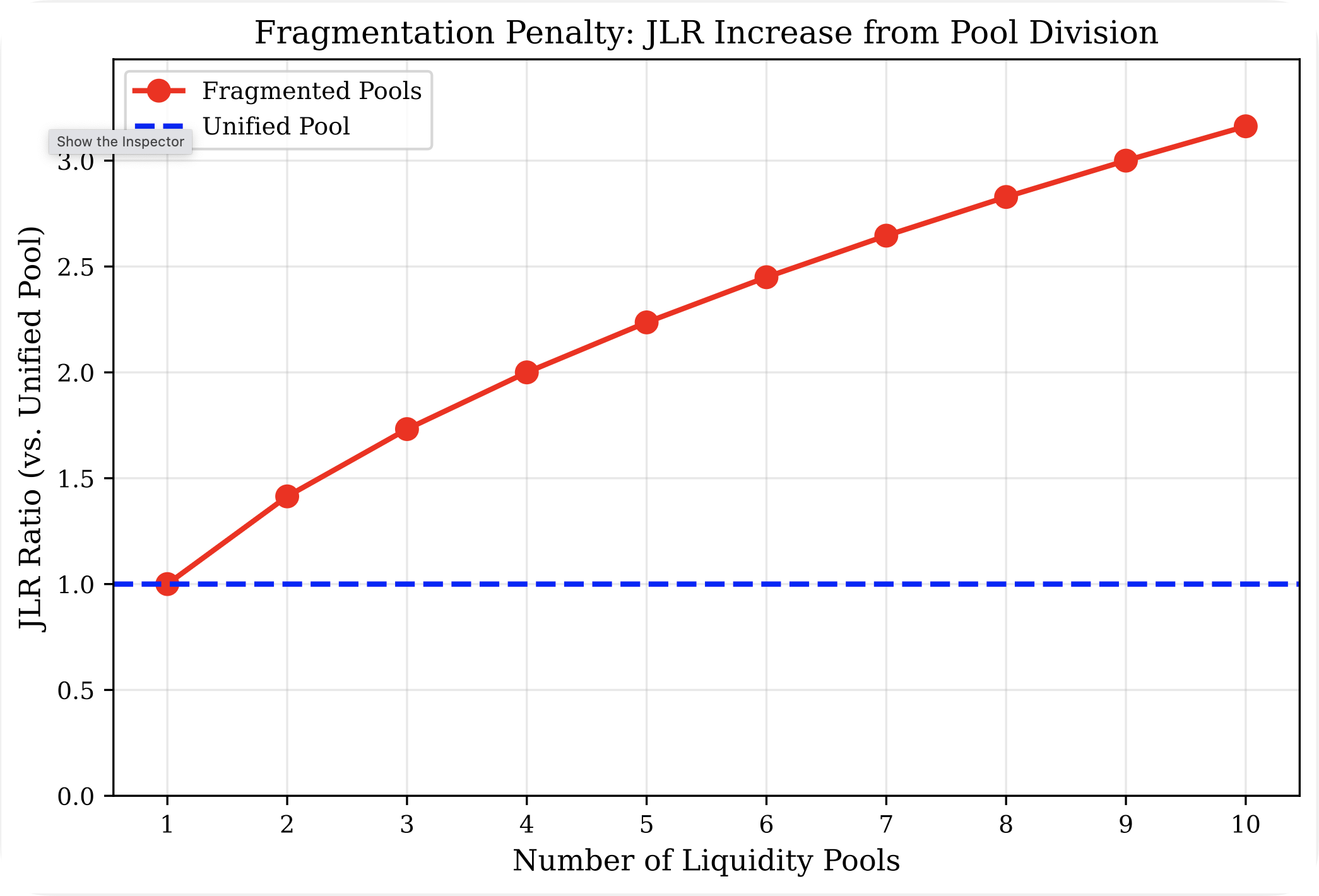
Fragmentation: The Hidden Liquidity Killer
Splitting liquidity across multiple pools dramatically increases the total amount needed — sometimes by 900%.
A single unified pool is always more efficient than many shallow ones.
A single unified pool is always more efficient than many shallow ones.
What This Means for CBDCs, FMIs, and Banks
The Jackson Liquidity Framework brings mathematical clarity to a problem regulators have acknowledged but not defined.
By integrating slippage constraints, stochastic flow models, and intraday liquidity peaks, the framework creates a liquidity model suitable for real-world CBDC settlement networks.
By integrating slippage constraints, stochastic flow models, and intraday liquidity peaks, the framework creates a liquidity model suitable for real-world CBDC settlement networks.
Try the Tools That Power the Research
See the framework come alive through my interactive simulator.
Experiment with:
- Poisson vs Hawkes flows
- Real-time slippage curves
- Reserve depletion paths
- J-score monitoring
- Fragmentation penalty modelling
- The full JLS Surface
Experiment with:
- Poisson vs Hawkes flows
- Real-time slippage curves
- Reserve depletion paths
- J-score monitoring
- Fragmentation penalty modelling
- The full JLS Surface